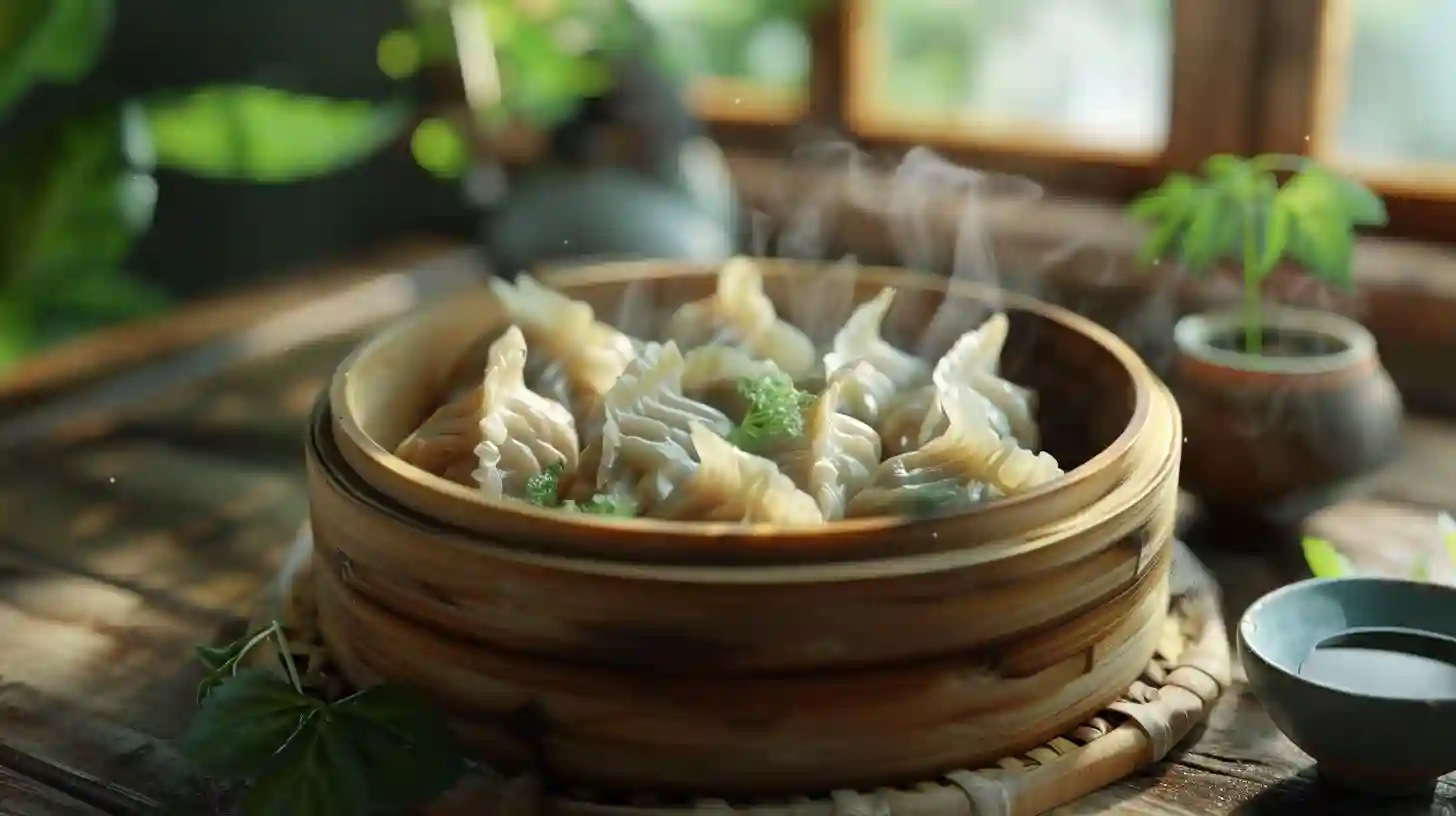
Handmade egg dumplings represent a captivating culinary tradition that has enamored food enthusiasts around the globe. This delightful dish, deeply rooted in various cultures, showcases not only the artistry of handmade creations but also the rich tapestry of flavors derived from simple ingredients. The origin of egg dumplings is often traced back to Asian kitchens, where they are celebrated for their versatility and comfort. The process of making them, from preparing the dough to molding and cooking, is as much about the experience as it is about the outcome.
The foundation of handmade egg dumplings begins with the dough, which is typically composed of flour, eggs, and water. The harmonious blend of these ingredients creates a supple texture, which is essential for forming the dumplings. Many cooks have their unique methods of kneading the dough, often influenced by regional practices or family traditions. This phase of preparation is not merely a mechanical step; it embodies the love and dedication of the cook. The tactile sensation of flour against the fingers, the sight of a smooth, elastic dough, and the fragrant aroma that wafts through the kitchen all contribute to the joyful process.
Once the dough is prepared, it is time to choose or create the filling. The versatility of egg dumplings allows for a myriad of fillings, ranging from rich meats to fresh vegetables and fragrant herbs. Traditional recipes often incorporate ingredients that reflect local culinary customs, creating a deep connection to the land. For instance, in some regions, minced pork combined with finely chopped green onions and a hint of ginger creates a savory filling; in others, a blend of mushrooms and tofu offers a vegetarian alternative that is equally satisfying. Balancing flavors and textures in the filling results in a harmonious bite, elevating the humble dumpling to a gourmet experience.
Crafting the dumplings requires skill and patience. The process begins with rolling out the dough into thin sheets, which then are cut into circles or squares depending on the preferred shape. This step is often where individual creativity shines, with some cooks opting for meticulously uniform shapes while others embrace the imperfections of handmade creations. Placing the filling onto the center of each dumpling wrapper necessitates a careful hand, ensuring that each parcel is generously filled but not overstuffed.
Sealing the dumplings is a crucial aspect of the preparation. Various techniques exist, reflecting diverse cultural practices and personal preferences. Some might merely pinch the edges together, while others may choose to create intricate folds that enhance the presentation. This artistry not only adds an aesthetic appeal but also serves to reinforce the integrity of the dumpling during cooking, keeping the flavorful filling encased securely inside.
Cooking egg dumplings can happen through a variety of methods, each imparting a distinct flavor and texture to the final dish. Boiling remains a classic approach, allowing the dumplings to cook evenly while retaining their tenderness. As they float to the surface, it serves as a telling sign that they are ready to be enjoyed. Steaming is another popular method, offering a delicate cooking process that preserves the dumpling's shape and moisture. The steam creates a soft outer layer while the filling reaches a perfect temperature. For those seeking a bit of crunch, pan-frying adds a delightful contrast. The dumplings become golden brown and crispy on the outside while remaining soft and flavorful within.
Accompanying handmade egg dumplings often involves a delectable dipping sauce that complements their flavors. A simple soy sauce mixed with minced garlic or a splash of vinegar can enhance the overall eating experience. Some may prefer a concoction of sesame oil, soy sauce, and chili paste for a more robust flavor profile. The choice of sauce reflects not just a culinary preference but also a cultural inclination, showcasing the rich variety of tastes found across different regions.
Sharing and enjoying handmade egg dumplings can be a communal affair. In many cultures, the process of making dumplings can be a family event, with friends and loved ones gathered together to enjoy each other's presence. This social element adds an intrinsic value to the act of cooking, transforming it into a celebratory occasion. The collective laughter, the stories shared, and the hands working together create an atmosphere that transcends the mere act of preparing food; it becomes a cherished memory.
Exploring the world of handmade egg dumplings reveals a layer of history and tradition, as each bite tells a story of community, heritage, and shared culinary knowledge. In many households, the craft of dumpling-making is passed down through generations, allowing techniques and recipes to evolve while maintaining their core essence. This lineage fosters a connection not only among family members but also within the larger fabric of a community, as neighbors share their secret ingredients or unique folding techniques.
In recent years, the art of making handmade egg dumplings has gained popularity far beyond traditional boundaries. Culinary schools and workshops now offer courses specifically focused on dumpling creation, attracting aspiring chefs and home cooks alike. The rise of food markets and pop-up restaurants featuring handmade dumplings reflects a broader trend toward appreciating artisanal crafts and locally-sourced ingredients. As global cuisines continue to overlap and intertwine, the availability of unique fillings and exotic flavors introduces exciting new dimensions to this beloved dish.
Beyond gastronomy, handmade egg dumplings symbolize nourishment and comfort. The warm and familiar nature of this dish has made it a staple in many households, particularly during colder months or family gatherings. The very act of cooking and sharing these dumplings can invoke feelings of nostalgia, transporting one back to memories of childhood kitchens, family celebrations, and joyful moments.
Adventurous food lovers can explore the many regions where egg dumplings take on unique characteristics. Some cultures may prepare their dumplings with distinct spices, while others adopt specific cooking methods that highlight their culinary heritage. From the playful shapes found in Chinese jiaozi to the ornate presentations of Italian ravioli, handcrafted dumplings serve as a reminder of the global diversity within one simple concept.
For anyone interested in embarking on their dumpling journey, resources abound, ranging from cookbooks to online tutorials. While the process may seem daunting at first, the rewards of crafting and enjoying these delicate parcels far outweigh the initial challenges. With each batch made, improvements in technique become evident, and the joy of sharing homemade dumplings with loved ones brings continued motivation.
As the world of handmade egg dumplings continues to evolve and adapt, it stands as a testament to the enduring power of food to connect people, honor tradition, and inspire creativity. Whether enjoyed in a dimly-lit restaurant, a bustling street market, or a family kitchen, each dumpling becomes an opportunity to appreciate the intricate balance of flavor, texture, and personal touch that makes this delightful dish truly special.