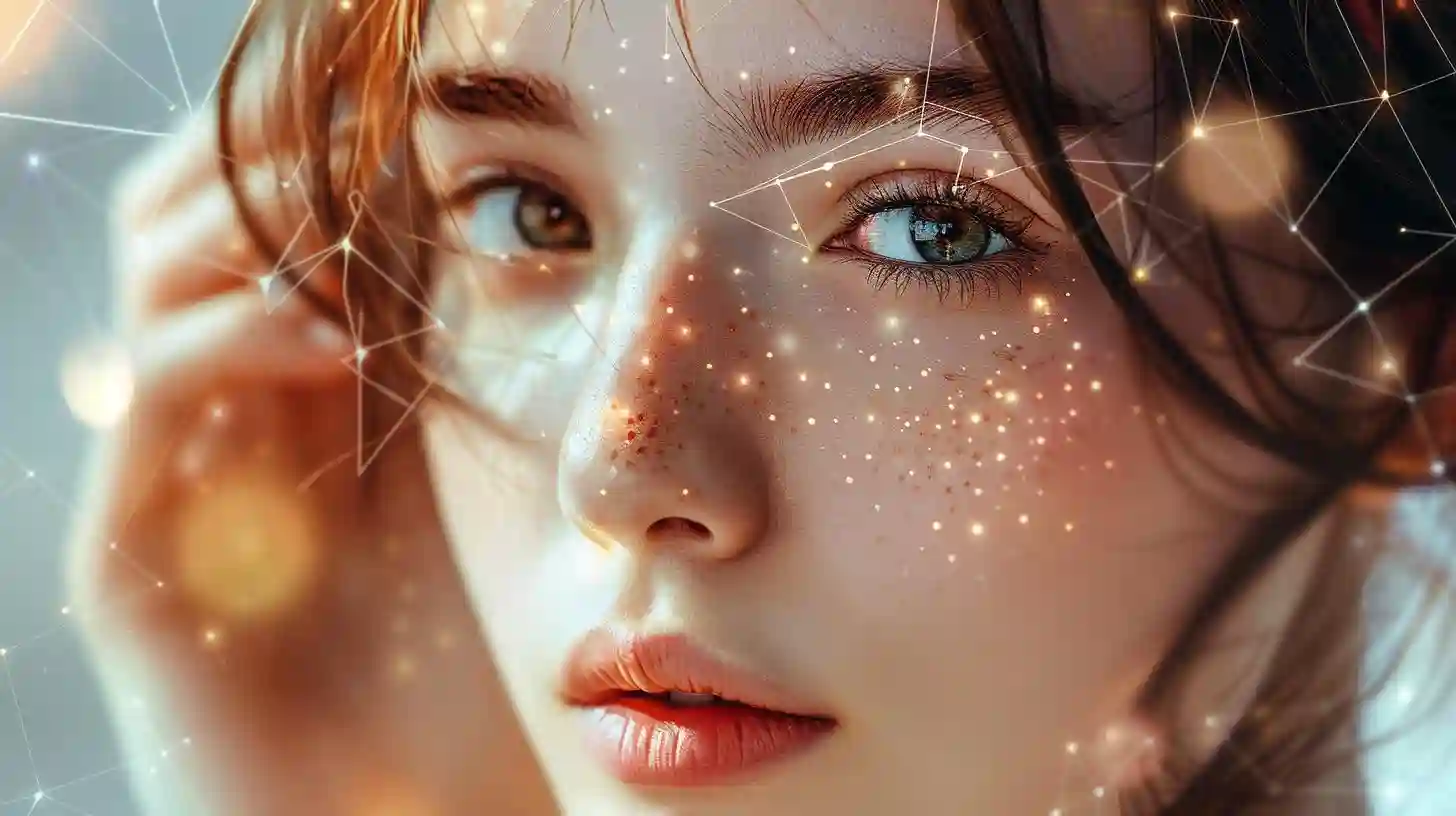
The concept of femininity is as rich and diverse as the myriad experiences and expressions of women across cultures and eras. It is often intertwined with societal norms, personal identity, and individual expression. Femininity encompasses a broad spectrum, touching upon attributes traditionally associated with women while also challenging and redefining those norms. In this exploration of femininity, we delve into its historical evolution, its manifestations in contemporary society, and the personal narratives that shape our understanding of what it means to be feminine in today’s world.
Historically, femininity has been shaped by cultural narratives that dictate appropriate behaviors and roles for women. In many societies, femininity has been characterized by qualities such as nurturing, gentleness, and emotional expressiveness. These traits have often been celebrated and seen as essential to the feminine identity. However, they have also confined women to specific roles, primarily within the domestic sphere. From the nurturing mother to the obedient wife, these images have been deeply embedded in societal expectations, limiting women's opportunities and potential.
As time progressed, the notion of femininity began to evolve, particularly during the suffrage movements that swept across continents. Women began to challenge traditional gender roles, asserting their right to education, work, and political participation. This shift marked the beginning of a broader conversation about femininity that sought to redefine what it meant to be a woman in society. Women like Simone de Beauvoir and Virginia Woolf challenged the status quo, urging society to recognize women's capabilities beyond nurturing roles. Their contributions to feminist literature opened doors for future generations to explore and embrace varied expressions of femininity.
With the rise of second-wave feminism in the late twentieth century, femininity underwent significant scrutiny. This feminist movement rejected the idea that women should conform to a singular definition of femininity. Promoting the notion that every woman has the right to embrace her identity, regardless of whether it aligns with traditional ideals, the movement expanded the boundaries of femininity. Women began to explore their femininity through diverse lenses - whether it be through career pursuits, sexual freedom, or personal expression. This era celebrated the idea that femininity could encompass strength, assertiveness, and independence, allowing women to embrace every facet of their identities.
Today, femininity continues to be a subject of fascination and debate in contemporary culture, especially in the context of gender fluidity and non-binary identities. As societal understandings of gender evolve, femininity has transcended its traditional bounds. Many individuals now embrace a more inclusive understanding of what it means to express femininity. This allows for the coexistence of strong, assertive traits with gentler qualities, creating a unique tapestry of personal identity. In this way, femininity becomes less about conforming to prescribed roles and more about individual authenticity.
Media representation plays a crucial role in shaping perceptions of femininity. From films and literature to social media platforms, the portrayal of women has the power to influence societal attitudes towards femininity. The rise of female-driven narratives in the entertainment industry has provided a platform for a broader array of feminine experiences. Characters that embody complexity, ambition, vulnerability, and strength exist side by side, challenging viewers to rethink their understanding of femininity. Shows that include diverse women from different backgrounds and walks of life contribute to a richer understanding of the gender experience, making room for unique expressions of identity.
Fashion, as an artistic statement and a form of self-expression, is often inextricably linked to femininity. For many, clothing is a means to communicate identity and individuality. Fashion has evolved dramatically over the years, reflecting changing attitudes toward femininity. The era of corsets and voluminous skirts offered a very different expression of femininity compared to the androgynous styles popularized in the latter part of the twentieth century. Today, fashion remains a powerful conduit for the exploration of femininity. As women embrace clothing that defies traditional conventions, such as oversized silhouettes and minimalist designs, they assert their right to define their femininity without boundaries.
Alongside fashion, language and communication styles also constitute vital elements of femininity. Women’s language has historically been scrutinized, often devalued in comparison to men's speech. However, contemporary discourse has begun to celebrate the richness of women’s language, recognizing its unique features, including empathy, nurturing, and emotional nuance. Women’s storytelling continues to gain prominence, allowing for a plethora of voices to be heard. The power of narrative offers women a means to reclaim their identities and experiences while fostering connections and understanding among diverse groups.
Moreover, femininity can manifest profoundly in relationships and community. Women frequently build networks of support, creating spaces for connection, empowerment, and growth. The power of female friendships has long been documented, showcasing how relationships can foster resilience, encourage vulnerability, and promote personal transformation. In communities across the globe, women come together to support one another, share resources, and advocate for their rights. This solidarity is a vital aspect of modern femininity, illustrating that it is not solely an individual journey but also a collective experience.
In the realm of self-expression, many women harness their creativity to convey their experiences and identities through art, music, and literature. The arts provide a powerful platform for discussing femininity and challenging societal perceptions. Feminine artists often draw from their personal narratives, using their work to illuminate the complexities of being a woman. As a result, creative expressions do not just serve the purpose of individual catharsis; they invite audiences to engage with themes of empowerment, identity, and resistance. Women artists have carved out spaces where their voices resonate, bridging gaps and fostering understanding across diverse communities.
The intersectionality of femininity is another crucial dimension that cannot be overlooked. Women do not exist in silos; their experiences are shaped by race, class, sexuality, and cultural background. Understanding femininity requires acknowledging these intersections, leading to a more nuanced perspective. For instance, women of color may face unique challenges and stereotypes that differ markedly from those experienced by white women, shaping their definitions and expressions of femininity in distinct ways. Embracing intersectionality within discussions of femininity allows for a more comprehensive understanding, honoring the multiplicity of experiences that women bring to the conversation.
As society continues to grapple with the concept of femininity, it is essential to recognize the progress that has been made while acknowledging the work still necessary for true equality. The celebration of diverse expressions of femininity is crucial, as it paves the way for future generations to explore and define their identities on their terms. The ongoing transformation of societal expectations around femininity invites women to firmly assert their individuality, reclaiming their narratives and redefining what it means to be feminine in a world that is ever-evolving.
In essence, femininity is a kaleidoscope of experiences, emotions, and expressions. It encompasses historical legacies, creative endeavors, and transformative movements, all of which contribute to a rich tapestry of what it means to be a woman. By embracing a broader understanding of femininity, we create space for empowerment, self-discovery, and authentic expression. The journey of femininity is not about conforming to traditional ideals, but about celebrating the complexities, contradictions, and unique stories that each woman carries within her. Through this exploration, we move closer to a world where femininity is not merely a set of expectations but an evolving and vibrant celebration of individuality.