 International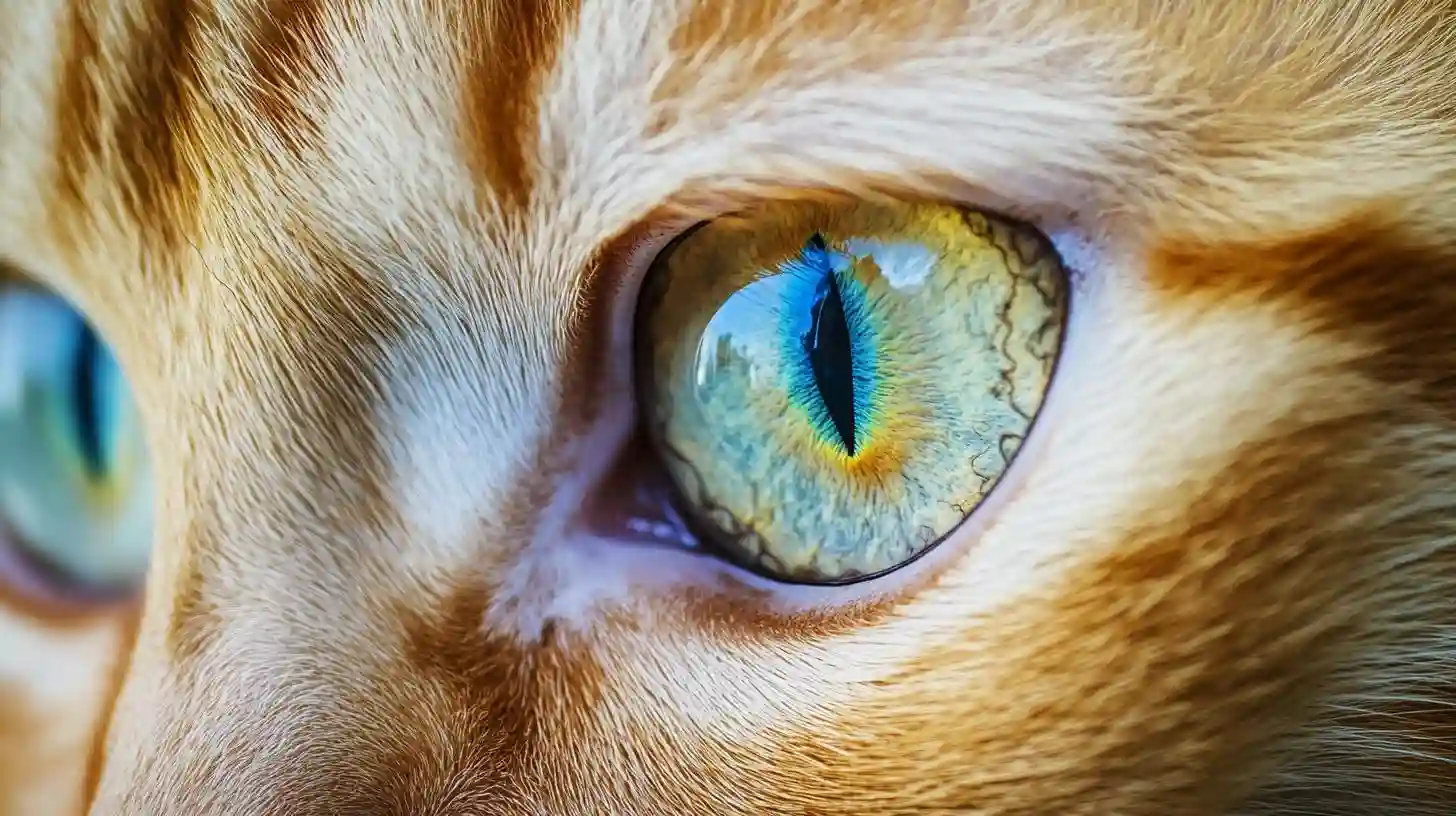
Cats are known for their captivating looks and unique personalities, but one of the most striking features some cats possess is heterochromia, a condition marked by different colored eyes. This intriguing phenomenon can result in a cat having one blue eye and one green eye, or even one amber and one blue eye. The reasons behind this eye color variation are as fascinating as the cats themselves, reflecting a complex interplay between genetics, health, and sometimes environmental factors.
To begin, it is essential to understand that eye color in cats is primarily determined by genetics. The pigment responsible for eye color is called melanin. In the case of blue eyes, a lack of melanin results in a striking azure shade due to the way light is scattered by the structures of the eye, known as the stroma. In contrast, amber or green eyes arise from varying concentrations of melanin. Heterochromia occurs when there are differing levels of melanin in each eye, which can happen for a variety of reasons.
Genetics plays a significant role in determining whether a cat will have heterochromia. Certain breeds, including the Turkish Van, the Khao Manee, and the Japanese Bobtail, are more likely to exhibit this trait. In these breeds, the genetic coding contributes to the peculiar and beautiful variations in eye color. Such genetic predispositions are fascinating for breeders and lovers of specific cat breeds alike.
Aside from genetics, there are medical factors that can lead to differences in eye color. For example, a cat may be born with or develop issues such as chimerism, a genetic condition resulting from the merging of two embryos during gestation. This can result in a cat having sections of its body that exhibit different genetic traits, including eye color. Furthermore, some cats may acquire heterochromia due to health issues, such as trauma, disease, or conditions affecting the iris, known as heterochromia iridum. Such occurrences are rare and often signal underlying health concerns that should be attended to by a veterinarian.
An interesting fact is that in certain cases, both eyes can change color over time due to health conditions. For instance, if a cat suffers from an injury or develops a disease affecting the eye, the eye may change color as a direct result of these influences. Observing such changes can be alarming for pet owners, and prompt veterinary consultation is crucial to ensure the health and well-being of their feline friend.
Beyond the scientific explanation lies the realm of folklore and superstition regarding cats with different colored eyes. Many cultures throughout history have ascribed special meanings to this phenomenon. In ancient Egypt, for instance, cats were revered, and those with heterochromia were often seen as possessing magical qualities. Similar ideas can be found in various cultures, associating such unique features with good luck, protection, or other mystical attributes. The allure of cats with strikingly different eye colors continues to spark imaginations and inspire stories.
Beyond their genetic and cultural significance, cats with heterochromia often become symbols of beauty and individuality. Each pair of differently colored eyes can tell a story of heritage and uniqueness, making these cats particularly attractive to potential adopters. Many people are drawn to the mesmerizing gaze of a cat with heterochromia, further fueling the popularity of adopting these striking animals.
When it comes to caring for a cat with different colored eyes, there are no additional requirements compared to those with conventional eye colors. Nevertheless, owners should remain vigilant regarding their health. Regular veterinary check-ups can ensure that any health issues that may result in changes to pigmentation or overall eye health are addressed promptly. Additionally, environmental factors such as light exposure, changes in diet, and overall health can influence a cat’s eye appearance over time, making it vital for owners to monitor their feline friends diligently.
Ultimately, the mystery of different colored eyes in cats encompasses a blend of science, genetics, culture, and individual stories that together create a fascinating narrative. Each cat with heterochromia embodies a unique legacy that connects them to a vast history of adoration, intrigue, and understanding, making these animals not just pets but also captivating companions with stories to tell. The distinctiveness of cats with such striking features enriches the bond between them and their human caretakers, weaving admiration into the very fabric of their care and companionship.