 International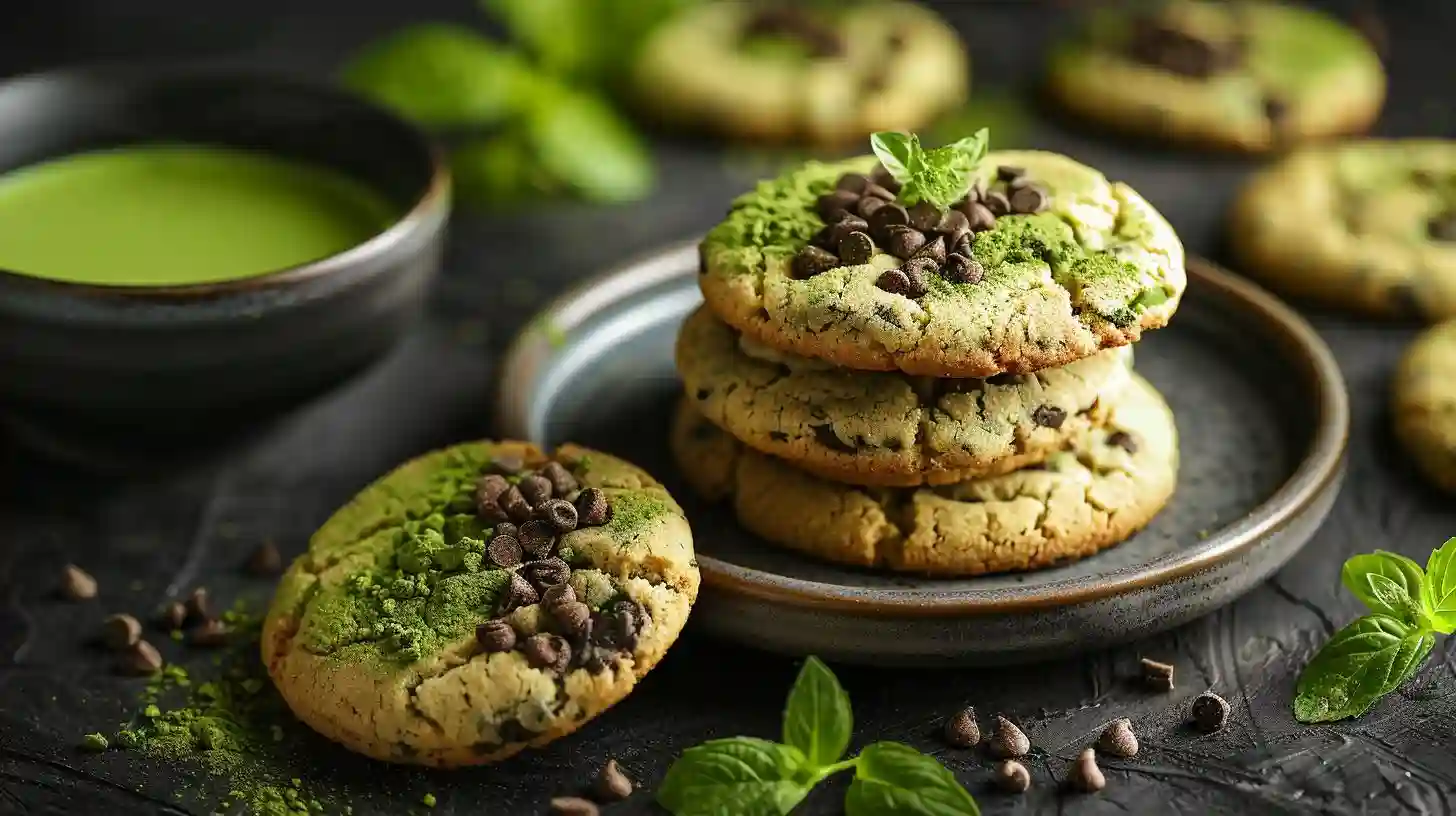
The world of culinary delights constantly evolves, yet there are timeless combinations that continue to captivate palates and inspire creativity. One such pairing that has recently gained considerable attention is the marriage between matcha and biscuits. This intriguing union is a testament to the versatile nature of matcha, a finely ground powder made from specially grown green tea leaves, and the humble biscuit, a baked treat that has transcended cultures and generations.
Originating from Japan, matcha has a long and storied history. Traditionally, it was used in the Japanese tea ceremony, a ritual that embodies harmony, respect, purity, and tranquility. Over the years, matcha has found its way into various culinary applications, becoming a popular ingredient worldwide. Its unique flavor profile, which is both grassy and umami-rich, lends itself well to both sweet and savory dishes. The vibrant green color of matcha not only adds visual appeal but also signals its health benefits, making it a sought-after superfood in modern diets.
Biscuits, on the other hand, have a universal appeal. They come in various forms, from the flaky, buttery creations that are the pride of Southern cooking to the crisp, sweet varieties found in tea time traditions around the globe. Regardless of the style, biscuits are often associated with comfort and nostalgia, resonating with many who have pleasant memories attached to them. The texture of biscuits can range from crunchy to soft, offering a delightful contrast to the smoothness of many spreads and toppings they are often paired with.
Bringing matcha into the biscuit sphere introduces a unique twist that pleases both the eye and the palate. The incorporation of matcha powder can transform an ordinary biscuit into a gourmet experience. Imagine opening a tin of freshly baked matcha biscuits, their green hue inviting you to indulge. The delicate earthy notes of matcha complement the buttery richness of the biscuit dough, creating a harmonious flavor balance. This pairing intrigues both matcha enthusiasts and those new to its flavor, as the subtle sweetness of biscuits tempers the more intense herbal notes of the green tea.
Creating matcha biscuits can be an enjoyable culinary adventure for both novice and seasoned bakers. The process typically begins by integrating matcha powder with other dry ingredients like flour, sugar, and baking powder. This allows for an even distribution of flavor throughout the dough. When combined with wet ingredients such as butter, eggs, and cream, the matcha powder imparts its signature flavor and color, resulting in a dough that is both visually striking and tantalizingly aromatic. From this point, bakers can experiment with various add-ins, ranging from chocolate chips to nuts, elevating the biscuit experience even further.
The versatility of matcha biscuits means they can be customized to suit various tastes and dietary preferences. For those who enjoy a decadent treat, white chocolate chips can be folded into the dough, allowing the sweetness of the chocolate to complement the earthy flavors of matcha. Alternatively, for a more health-conscious option, substituting refined sugar with coconut sugar or maple syrup can bring a wholesome twist to the recipe. Gluten-free versions can also be easily achieved, using almond flour or a gluten-free flour blend that maintains the rich texture and flavor profile associated with traditional biscuits.
Beyond their delightful taste and adaptability, matcha biscuits are a perfect canvas for creativity. They can be decorated with glaze or icing, enhancing their appearance and adding additional flavors. A simple powdered sugar glaze infused with a touch of matcha could add a refined finish, making them ideal for special occasions or elegant gatherings. Additionally, members of the baking community have begun to experiment with layering flavors, such as incorporating citrus zest or spices, broadening the scope of what these biscuits can achieve.
As matcha continues to rise in popularity, it finds its way into various areas of the culinary landscape. Matcha lattes have become a staple in cafes around the globe, while matcha-infused desserts appear in bakeries, bringing a sense of innovation and excitement. The introduction of matcha to biscuit recipes enhances the versatility of both ingredients, fostering an environment where creativity flourishes.
One fascinating aspect of matcha biscuits is their cultural interpretation. While matcha is primarily associated with Japanese traditions, the idea of pairing it with biscuits offers a cross-cultural dialogue. For instance, British tea culture, rich with its own biscuit traditions, could seamlessly embrace the incorporation of matcha into its afternoon tea. Matcha biscuits served with a classic Earl Grey tea create a delightful fusion. Imagine savoring a matcha biscuit alongside a cup of tea, where the aromatic notes of bergamot mingle with the earthy essence of green tea, creating a unifying experience across two beloved traditions.
In addition to cultural blending, matcha biscuits also meet the demands of the modern consumer looking for snacks that are aesthetically pleasing and healthful. With their vibrant green appearance, matcha biscuits are visually appealing, making them popular on social media platforms where food photography thrives. Home bakers are often inspired to share their creations, showcasing how matcha can be both an ingredient and a source of artistic expression. The trend of 'Instagrammable' food has propelled the popularity of matcha biscuits, encouraging others to explore their baking talents and experiment with new flavors and techniques.
Furthermore, nutritional benefits associated with matcha make it an enticing addition to the biscuit world. Matcha contains a wealth of antioxidants known as catechins, which offer several health benefits, including support for metabolism and enhanced mental clarity. The presence of L-theanine, an amino acid abundant in matcha, helps promote relaxation without the jitters that can sometimes accompany caffeine consumption. Thus, matcha biscuits not only serve as delightful treats but also as an option for those who are mindful of their health.
The rise of matcha biscuits signifies a wider trend in the culinary world towards ingredient exploration and innovation. As more people become aware of the benefits and versatility of superfoods, they seek new and exciting ways to incorporate these ingredients into their daily lives. Matcha biscuits embody this intent, serving as a delicious means of integrating an ancient ingredient into contemporary baking practices.
For those looking to dive into the world of matcha biscuits, the process is not overly demanding. Seeking out high-quality culinary-grade matcha is crucial, as the flavor and vibrancy largely depend on the quality of the matcha used. A reputable source will provide a bright green powder that signifies freshness and flavor, laying the foundation for a successful baking endeavor. Armed with a basic biscuit recipe and a desire to experiment, bakers can begin their exploration into this delightful pairing.
Adventurous bakers may also consider hosting a matcha biscuit workshop, where friends and family can gather to create their own versions of this delightful treat. Sharing ideas on flavor combinations, decoration techniques, and personal stories behind biscuit traditions can foster a sense of community and joy within the kitchen.
With the infusion of matcha into biscuit recipes, a delightful world awaits those willing to explore. This timeless pairing continues to evolve and delight, highlighting the creativity inherent in both baking and the culinary world at large. As more people discover the wonders of matcha and its ability to transform ordinary biscuits into extraordinary treats, the future looks bright for this vibrant green powder and its delectable companions.