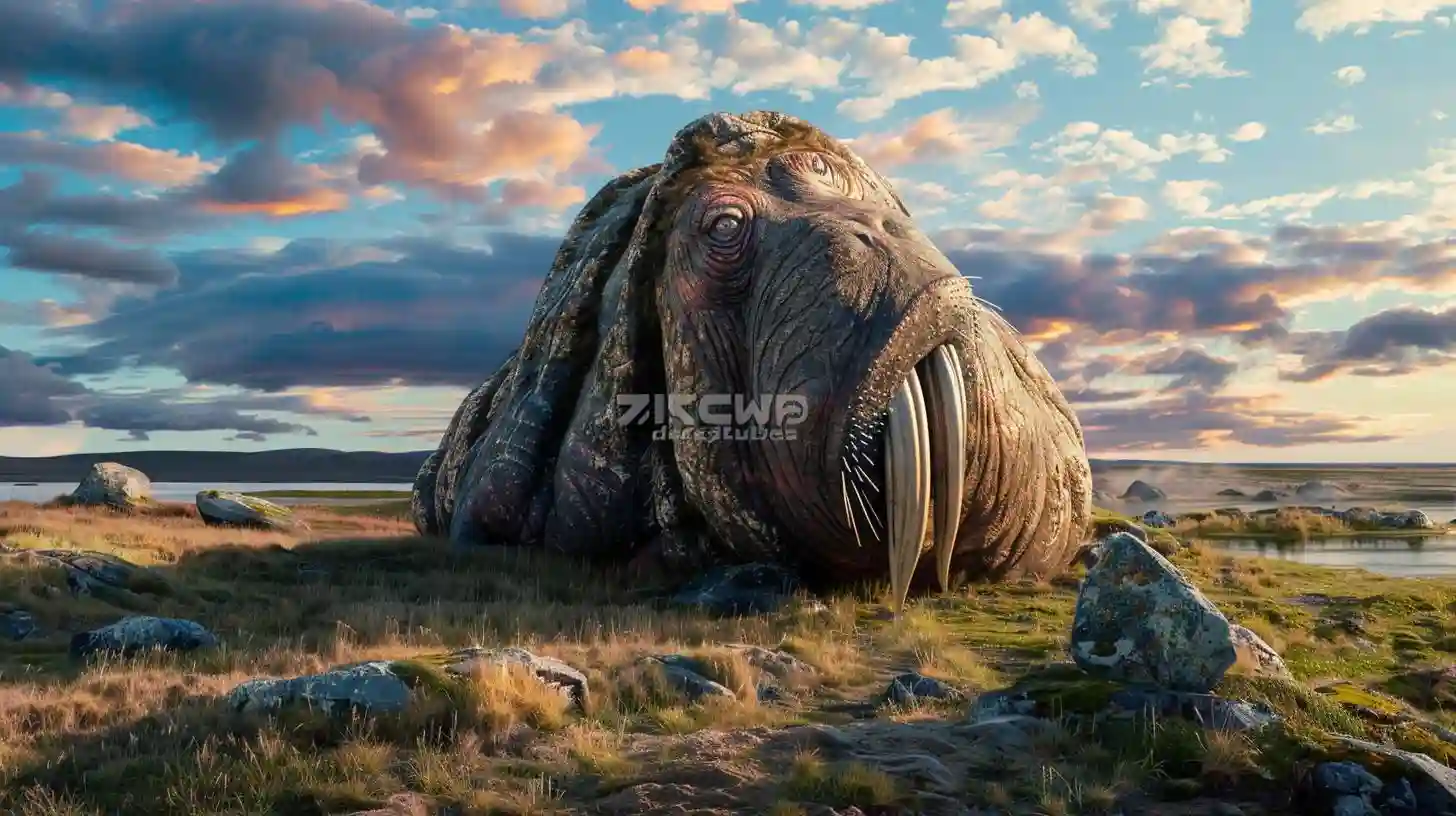
**Where Are the Magical Animals? Falkland Islands Walrus Disguised as Huge Rocks**
Nestled in the southern Atlantic Ocean, the Falkland Islands, known for their rugged beauty and diverse wildlife, have always captivated the imagination of explorers, scientists, and nature enthusiasts. Amidst the rolling hills, windswept beaches, and rich wildlife, an intriguing myth has emerged—stories of magical animals prowling the landscape. While most people picture elusive creatures in myth or folklore, many overlook a curious reality: the walrus of the Falkland Islands, which, at first glance, could very well be mistaken for immense rocks dotting the coastal terrain.
The Falkland Islands are situated about three hundred miles from the coast of Argentina and encompass over seven hundred islands, the two largest being East and West Falkland. Here, the cold waters teem with life, from vibrant sea birds to sleek seals. Among the rich array of terrestrial and marine fauna, the walrus is a creature that embodies the mysterious allure of this remote archipelago. Traditionally associated with frigid Arctic environments, these fascinating pinnipeds have seemingly found a surprising, albeit atypical, paradise within the temperate embrace of the Falklands.
When one thinks of a walrus, it is often the striking image of their massive bodies, formidable tusks, and distinctive whiskered faces that come to mind. In the Falklands, however, these creatures exhibit a behavior that adds an extra layer of magic to their presence. The walrus is known to spend long hours basking on the rocky shores, where their sheer size and shape can easily blend into the natural landscape. This phenomenon has led many sightings of walruses to be dismissed as merely large boulders or strange rock formations. As such, these enchanting beings embody a secret charm of misdirection, allowing them to reside in plain sight while maintaining an air of mystery.
Local legend speaks of sailors and fishermen mistaking walruses for rocks while navigating the rocky shorelines. The narrative seems fitting as it encapsulates the uncanny relationship between nature and perception. The walrus, with its earthy tones and substantial mass, indeed creates the illusion of a mere geological formation. The cliffs and assorted boulders of the Falkland Islands evoke timeless images of resilience and endurance—much like the walrus itself, which embodies both grace and resilience against the turbulent forces of nature.
Moreover, the adaptation of walruses to their marine environment speaks to their inherent magic. For centuries, these creatures have thrived in the cold waters of the Arctic, exhibiting remarkable behaviors that allow them to survive and flourish. Their strong flippers enable them to navigate through icy waters with ease, while their thick blubber provides insulation against harsh temperatures. In the Falkland Islands, the opportunities for foraging and social interaction add to their already rich tapestry of life. The mix of resources allows the walrus population here to thrive, where they can engage in everything from resting on rocky outcrops to foraging for mollusks in the seabed.
Their social behavior is equally fascinating. Walruses are known for gathering in sizable groups, often referred to as herds. This communal lifestyle fosters a sense of kinship among individuals, further enriching their magic. Observing a herd of walruses, one might find oneself enchanted by the harmony of the moment. Sunlight glimmering off their moist skin, the soft grunts and bellows of communication, and the elegance of their movements in and out of the water weave together an extraordinary tapestry of life. Groups positioned on the rocky shores create an enchanting tableau, resembling an artistic installation crafted by nature, with riveting elements of life and illusion intermingling.
The dynamic relationship between walruses and their environment also speaks volumes about the delicate balance of life on the Falkland Islands. The populations of various species depend deeply on the surrounding ecosystem. Walruses, being opportunistic feeders, play a crucial role in maintaining this balance. They often prey on benthic creatures—those living on or near the sea floor—helping regulate the population of invertebrates and promoting a healthy marine habitat.
These aquatic giants thrive in the intricate web of biodiversity that characterizes the Falklands. The islands are home to numerous bird species, including albatrosses, penguins, and oystercatchers, which coexist with harbor seals and other marine mammals. The interplay of these animals creates a vibrant, living tapestry that embodies the magic of the islands.
While the walrus embodies a sense of hidden wonder, the surrounding landscape also contributes to its allure. The stark beauty of the Falkland Islands, characterized by rugged cliffs, sweeping grasslands, and pristine beaches, adds an ethereal quality to the region. Here, one can truly appreciate the harmony of land and sea, where walruses seamlessly blend into the rocks, their wrinkled forms becoming indistinguishable from the natural geography.
Magic, in its essence, is often rooted in perception. The experience of coming upon a walrus may spark awe and wonder, as individuals grapple with the extraordinary encounter that seemingly defies reality. The initial confusion, sensing a boulder that transforms into a living creature, exemplifies the enchantment of discovery amidst the wild. Every visit to the Falkland Islands can unfold like a new chapter of an ancient fairy tale—the kind in which whimsical creatures roam the land, hidden within the rocks and shadows.
Visitors, armed with cameras and curiosity, set out to explore this realm of enchantment. Birdwatchers are met with the chance to witness the thrill of a walrus surfacing among their intended avian subjects, while those hoping for a tranquil day of exploration might find that beautiful surprise—the sight of a walrus emerging from shallow waters, as though greeting observers with a curious glance.
In this setting, the interplay between wildlife and visitor unfolds a unique narrative. Nature walks turn into intriguing treasure hunts, where every large rock is a potential walrus and every moment can reveal the unexpected. With every patient observation, one dives deeper into the magic of the Falkland Islands, uncovering the tales woven into the fabric of life both above and below the surface.
The magic of the walrus, disguised as a rock, is ultimately a reminder of the wonder that exists throughout nature. The enchanting tales of creatures hidden in the wild nooks of our world serve as invitations to look closely, to pause, and to embrace the beauty of life's mysteries. In the end, the Falkland Islands, with their magnificent walruses lounging upon rocky shores, create a rich narrative filled with the unexpected, urging us all to explore and transform our perceptions of what lies before us. Whether in the guise of a walrus or an elegant rock, the magic of these creatures continues to inspire fascination and wonder in the hearts of all who venture into their realm.