 International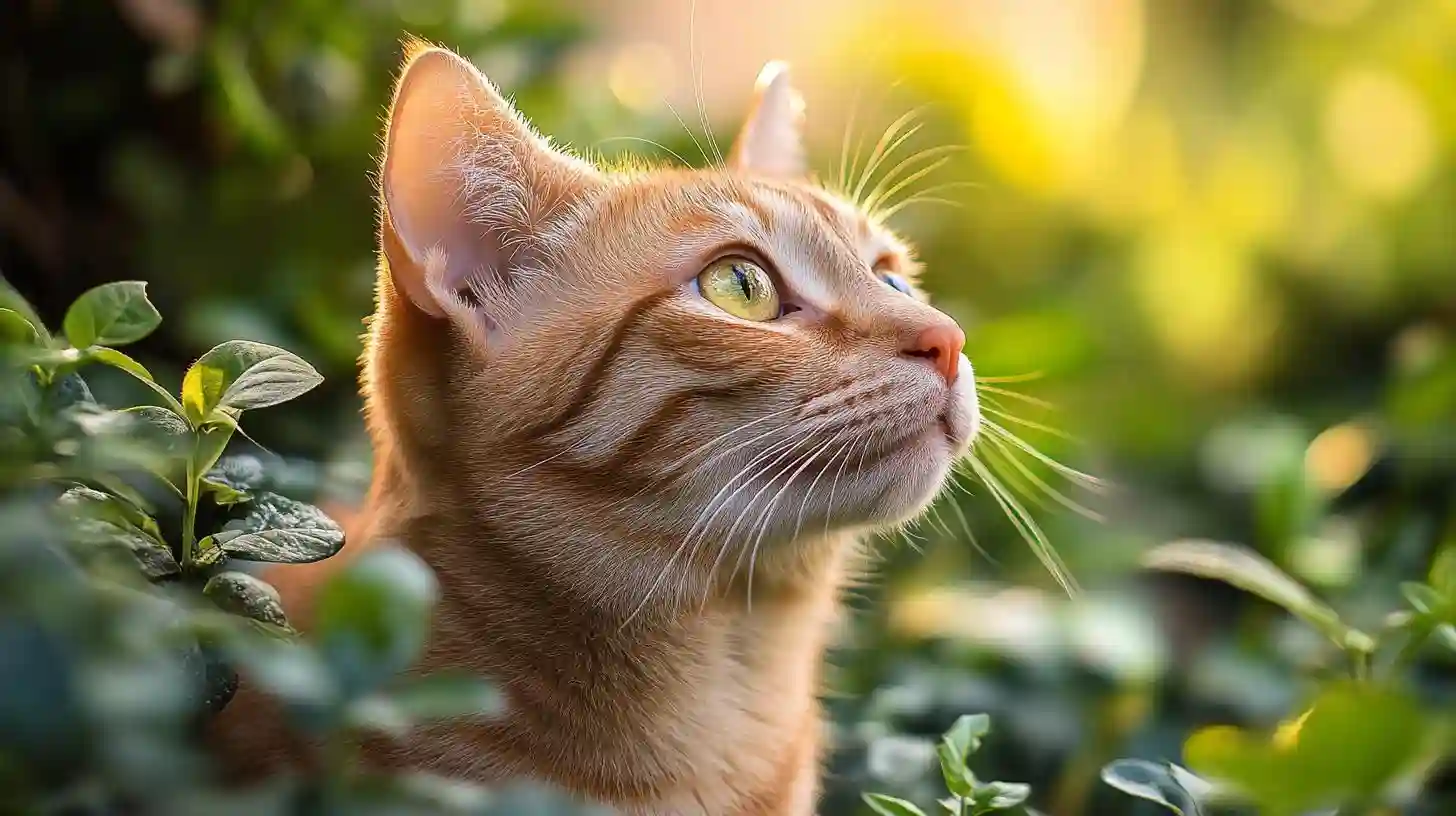
Cats have captivated human hearts for centuries, serving as beloved companions and subjects of fascination. The bond between humans and felines can be traced back thousands of years, with evidence of domesticated cats living alongside humans found in ancient civilizations. The Egyptians revered cats, even worshiping them as deities, which contributed to their high status in society. Today, cats remain one of the most popular pets worldwide, celebrated for their playful nature and quirky personalities.
One of the most intriguing aspects of cats is their unique physical features. Their eyes, with the ability to see in low light, are equipped with a reflective layer called the tapetum lucidum. This layer enhances their night vision, allowing them to hunt efficiently at dusk and dawn when their prey is most active. Interestingly, cats can also dilate their pupils to a remarkable degree, enabling them to adjust their vision in varying levels of light. The distinct vertical slits in their pupils are not just beautiful; they serve a functional purpose, assisting in depth perception during those stealthy nighttime prowls.
Another fascinating feature of cats is their incredible sense of hearing. Cats possess a larger range of hearing than humans and can detect sounds at frequencies that are inaudible to us. This heightened sense helps them locate prey, even the faintest rustle of a mouse. The structure of their ears allows them to rotate independently, honing in on the most subtle sounds from various directions. When you see a cat suddenly perk up its ears, it’s often a sign that it has detected something intriguing or worth investigating.
Cats are also known for their curious behaviors, such as kneading and purring. The kneading motion, often referred to as "making biscuits," originates from kittenhood, when they knead their mother’s belly to stimulate milk flow. Adult cats continue this behavior as a sign of comfort and contentment in their environment, often favoring soft fabrics. Purring, on the other hand, is a soothing sound generated by rapid contractions of the laryngeal muscles. While it’s often associated with happiness, cats may also purr when they are scared or in pain as a self-soothing mechanism.
Grooming is another hallmark of feline life. Cats are meticulous groomers, spending considerable amounts of time each day cleaning themselves. This behavior is not merely for hygiene; it also serves several other purposes. Grooming helps regulate body temperature, disperses their natural scent, and strengthens the bond between cats when they groom each other. Additionally, the act of grooming can be quite calming for cats, reducing stress and anxiety even in uncertain situations.
Socially, cats exhibit fascinating dynamics in their relationships with humans and other animals. Unlike dogs, which have been bred for specific roles, cats are more independent and have retained their wild instincts. This independence adds to their allure, as they often display a balance of affection and aloofness. Many cat owners marvel at their pets’ unique personalities, which can range from playful and social to shy and reserved. Every cat has its own idea of how much interaction it desires, making each one a distinct character in the household.
Communication in cats is also multifaceted. While they do meow, this vocalization is primarily directed at humans rather than other cats. Adult cats communicate with fellow felines through body language, tail movements, and subtle facial expressions. A flicking tail can signify irritation or annoyance, while slow blinking can be interpreted as a sign of trust and affection. Cats also use scents as a form of communication, marking their territory with scent glands located around their face, paws, and tail.
An area of fascination among cat lovers is the phenomenon of catnip. This herb contains a compound called nepetalactone, which triggers a euphoric response in many cats. While the effects of catnip can vary, it often leads to playful behavior, rolling, and even a bit of hyperactivity. Interestingly, the response to catnip is hereditary—roughly two-thirds of cats are affected by it, while others remain unaffected. The effects are temporary and safe, usually lasting around ten minutes before cats lose interest.
Furthermore, the world of cats is enriched by their remarkable historical contributions to human society. In ancient times, cats were revered for their prowess in controlling rodent populations, essential in agricultural settings. Their hunting skills helped preserve food supplies and were crucial in protecting grain storage facilities from pests. This practical relationship cemented the place of cats in households, evolving over time into a mutual companionship where cats are adored for their endearing behaviors and presence.
The myriad facts and characteristics surrounding cats highlight their magnificence and complexity as creatures. From their keen senses and agile physicality to their distinctive personalities and historical significance, cats continue to enchant people of all ages, forging a bond that transcends mere companionship. Their unique traits remind us of the delightful intricacies of nature and the joy found in sharing our lives with such extraordinary animals.