 International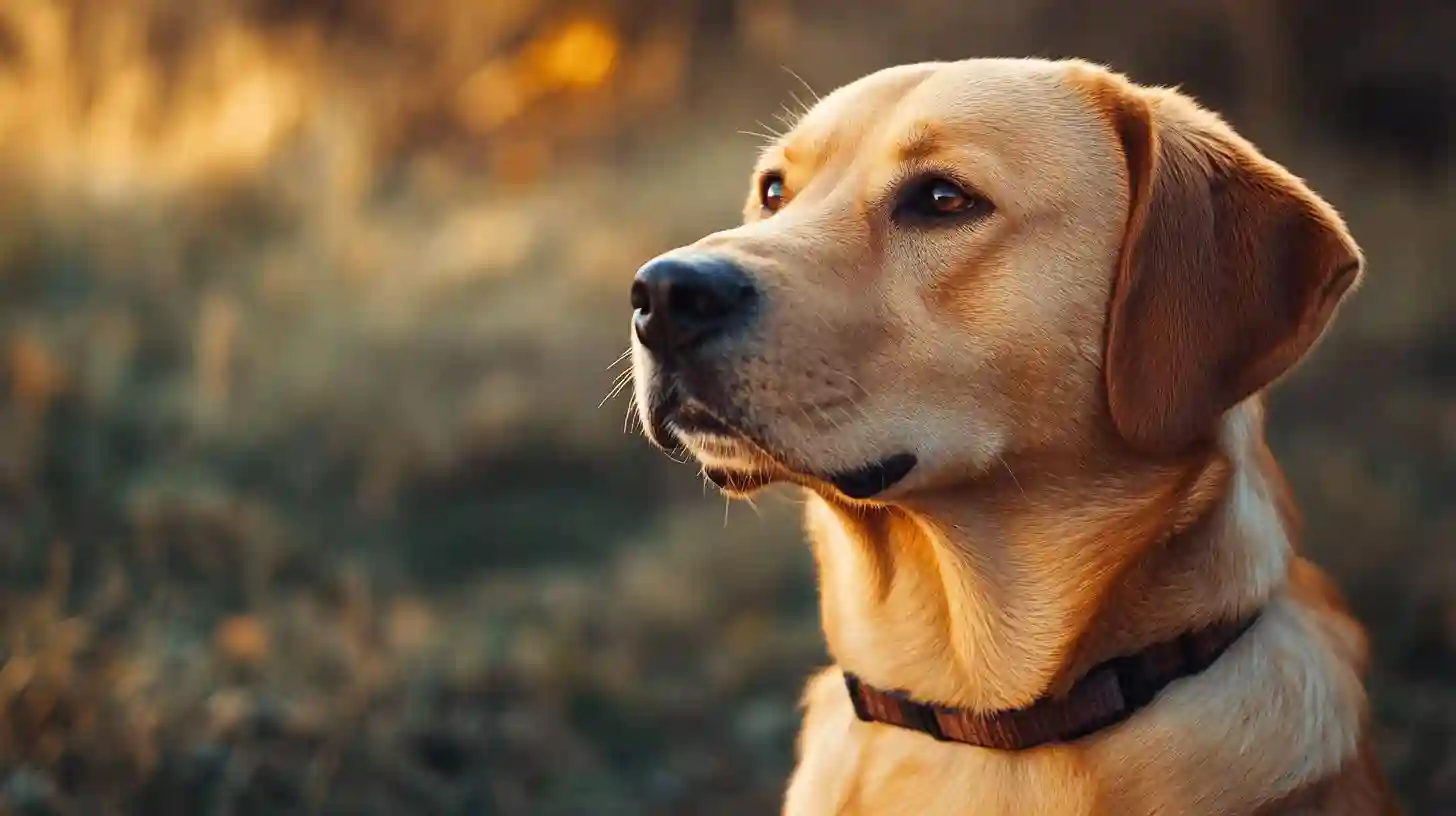
The charming sight of a dog tilting its head when you speak to it is one that warms the hearts of pet owners everywhere. This adorable behavior raises numerous questions about canine communication and understanding. While many of us attribute this gesture to an earnest attempt to engage with their human companions, the reasons behind this behavior are rooted in a blend of instinct, evolution, and social bonding.
To understand why dogs tilt their heads, it is critical to recognize the importance of communication in the canine world. Unlike humans, dogs rely primarily on non-verbal cues to convey their feelings and intentions. Facial expressions, postures, and body language all play crucial roles in their interactions with both humans and other dogs. Head tilting can be seen as a way for dogs to enhance their understanding of human speech since they do not process words in the same way humans do. By tilting their heads, they may be attempting to pick up on visual cues and tonal variations in human voices, which can help them decipher what we might be signaling.
Another reason that emerges in the discussion of head tilting is the role of sound localization and hearing. Dogs possess an acute sense of hearing that allows them to detect a wide range of sounds, many of which are imperceptible to the human ear. When a dog hears a sound, tilting its head can help to triangulate the source of the noise, improving their ability to localize it. This may explain why dogs may tilt their heads when responding to certain sounds, particularly when the sounds are novel or unfamiliar. Their ability to fine-tune their hearing could explain why they appear fully engaged and curious during conversations with their human families.
Furthermore, head tilting can also signify empathy and emotional connection. Research indicates that dogs are capable of forming strong bonds with their human companions and are attuned to their owner's emotions. When a dog hears its owner speak in a high-pitched, animated tone, it may respond by tilting its head as a reflection of its emotional connection. The head tilt may express curiosity about their owner's feelings or a desire to connect on a deeper level. This kind of response showcases the dog's capability for emotional insight, fostering a sense of closeness between the dog and its owner.
Another interesting aspect involves the way dogs process visual images. Dogs have a different visual perception compared to humans; they see fewer colors and often have difficulty focusing on certain distances. By tilting their heads, dogs might be adjusting their line of vision to better interpret what they see. This adjustment could be especially useful when their owners make gestures or display visual cues, indicating their interest or participation in a conversation.
Moreover, the history of domestication plays a pivotal role in a dog's propensity to tilt its head. Over thousands of years, dogs have evolved alongside humans, developing traits that enhance their ability to interact with us. Selective breeding has favored dogs that exhibit behaviors that foster companionship, such as head tilting. Such evolutionary traits are a testament to how deeply ingrained the bond between humans and dogs has become. As dogs learned to navigate their way into our homes and hearts, endearing gestures like head tilting became a part of their social toolkit, making them more approachable and relatable.
Interestingly, head tilting is not limited to any particular breed or size of dog. Dogs across a wide variety of breeds and backgrounds exhibit this lovely behavior, suggesting that it is largely instinctual rather than learned. However, individual personalities can influence how frequently and expressively a dog displays this behavior. Some dogs may be more inclined to exhibit head tilting, while others may display different forms of engagement with their owners.
Another factor that contributes to this behavior is the dog's relationship lived experiences. Dogs that have been exposed to more human interaction, training, and socialization are often more adept at interpreting human communication. They become skilled at recognizing patterns in sounds, gestures, and tones. When a previously perceived unknown command or emotion is met with head tilting, it reflects the dog’s growing understanding of its owner's cues.
As pet owners watch their dogs tilt their heads, they are witnessing a snapshot of the complex cognitive and emotional landscape of their canine companions. This seemingly simple yet powerful gesture serves as a bridge of communication, reinforcing the bond that exists between humans and dogs. Whether it is due to curiosity, an attempt to attune to sounds, emotional engagement, or the product of their evolutionary history, the head tilt is a beautiful reminder of the special connection we share with our furry friends.